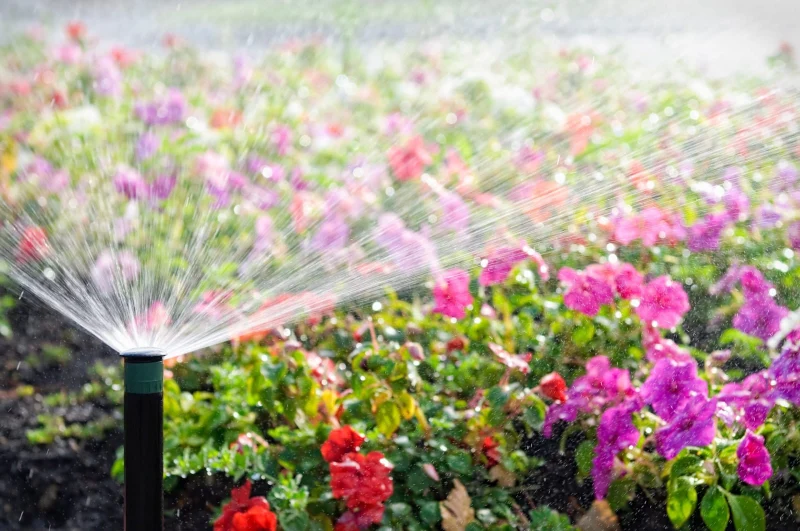
Cities grow larger every year. Concrete buildings, busy streets, and crowded neighborhoods often replace natural landscapes. In this environment, urban flora becomes extremely important. It brings nature back into city spaces and improves the quality of life for millions of people. Urban flora refers to the plants, trees, flowers, and green spaces that exist in cities. These plants grow in parks, rooftops, balconies, sidewalks, gardens, and even in abandoned urban areas. They create healthier environments and make cities more beautiful and livable.
Experts in urban ecology agree that green spaces are essential for sustainable urban development. Research shows that plants reduce air pollution, regulate temperature, and support biodiversity. They also improve mental well-being and community connections. This guide explores the concept of urban flora in detail. It explains why it matters, how it develops in cities, and how individuals and communities can encourage more greenery in urban environments.
Understanding Urban Flora
What Is Urban Flora?
Urban flora includes all plant species that grow within city boundaries. These plants may grow naturally or be intentionally planted by city planners, residents, and gardeners.
Urban plants exist in several environments:
-
Public parks and botanical gardens
-
Street trees and roadside vegetation
-
Residential gardens and lawns
-
Rooftop gardens and green walls
-
Vacant lots and urban wild spaces
Unlike rural plants, urban flora must adapt to challenging conditions. Pollution, limited soil, heat from buildings, and heavy human activity make survival difficult. Only resilient species thrive in these environments.
Despite these challenges, many plants successfully adapt to city life and contribute significantly to urban ecosystems.
The Importance of Urban Flora in Modern Cities
Urban flora plays a critical role in making cities healthier and more sustainable.
Environmental Benefits
Plants improve environmental conditions in several ways.
1. Air purification
Trees and plants absorb pollutants such as carbon dioxide, nitrogen dioxide, and particulate matter. This helps improve air quality in crowded cities.
2. Temperature regulation
Urban areas often experience the “urban heat island effect.” Buildings and asphalt trap heat. Plants reduce this heat through shade and evapotranspiration.
3. Stormwater management
Roots absorb rainwater and reduce flooding. Green spaces also slow runoff and protect urban infrastructure.
4. Biodiversity support
Urban plants provide habitats for birds, insects, butterflies, and pollinators. Even small gardens can support local wildlife.
Social and Health Benefits
Urban flora also supports physical and mental well-being.
Improved mental health
Studies show that access to green spaces reduces stress, anxiety, and depression.
Encourages physical activity
Parks and green areas motivate people to walk, exercise, and spend time outdoors.
Community building
Community gardens and shared green spaces strengthen neighborhood connections.
Better productivity
Workplaces with plants improve focus, creativity, and productivity.
Types of Urban Flora
Urban environments support many different plant types.
Street Trees
Street trees line sidewalks and roads. They provide shade and improve the visual appearance of urban streets.
Common examples include:
-
Maple trees
-
Oak trees
-
Plane trees
-
Linden trees
Cities carefully choose species that tolerate pollution and limited soil.
Urban Gardens
Urban gardens appear in many forms:
-
Backyard gardens
-
Balcony gardens
-
Community gardens
These gardens allow residents to grow vegetables, herbs, and flowers even in limited spaces. Urban gardening also promotes local food production and sustainability.
Rooftop Gardens and Green Roofs
Rooftop gardens transform unused roof space into green landscapes.
Benefits include:
-
Lower building temperatures
-
Better insulation
-
Reduced stormwater runoff
-
Additional recreational spaces
Many modern cities encourage rooftop gardens through environmental policies.
Vertical Gardens and Green Walls
Vertical gardens allow plants to grow on walls or building structures. These gardens are especially useful in dense cities where land is limited. They create stunning visual designs while improving air quality.
How Plants Adapt to Urban Environments
Plants growing in cities face difficult conditions.
Limited Soil Space
Urban plants often grow in compact soil or small planting pits. Their roots must adapt to limited space.
Pollution Exposure
Air pollution from vehicles and industry affects plant growth. Some species have natural resistance to pollutants.
Heat and Dry Conditions
Cities are often warmer than surrounding areas. Plants that tolerate drought and heat perform better.
Human Disturbance
Construction, foot traffic, and urban development frequently disturb plant habitats.Because of these challenges, urban planners carefully select plant species that can survive and thrive.
Common Urban Plant Species
Certain plants are particularly successful in urban environments.
Trees
-
Ginkgo
-
London plane tree
-
Honey locust
-
Japanese zelkova
Shrubs
-
Boxwood
-
Hydrangea
-
Azalea
Flowers and Groundcover
-
Lavender
-
Daylily
-
Sedum
-
Coneflower
These plants tolerate pollution, compact soil, and temperature variations.
Urban Flora and Sustainable City Planning
Urban planning increasingly prioritizes green infrastructure. Green infrastructure includes natural systems that improve environmental performance.
Examples include:
-
Urban forests
-
Rain gardens
-
Green roofs
-
Wetlands and bioswales
These systems help cities adapt to climate change and environmental challenges. City planners integrate urban flora into infrastructure projects to create sustainable environments.
Urban Gardening: How Residents Can Contribute
Individuals play a major role in expanding urban flora.Even small actions can create meaningful environmental impact.
Start a Balcony Garden
Apartment residents can grow plants in pots and containers.
Good options include:
-
Herbs such as basil and mint
-
Small vegetables like tomatoes
-
Decorative flowers
Plant Native Species
Native plants support local wildlife and require less maintenance. They adapt better to local climate conditions.
Join a Community Garden
Community gardens allow neighbors to grow food together while sharing knowledge and resources. They also create social connections.
Support Tree Planting Programs
Many cities run volunteer programs that plant street trees and restore green spaces.
Challenges Facing Urban Flora
Despite its benefits, urban flora faces several challenges.
Rapid Urbanization
Expanding cities reduce available green space.
Pollution
Air and soil pollution affect plant health.
Invasive Species
Some plants spread aggressively and damage local ecosystems.
Climate Change
Rising temperatures and extreme weather create new stress for urban plants. Addressing these challenges requires cooperation between governments, planners, scientists, and citizens.
The Future of Urban Flora
Urban flora will play a larger role in future city design.
Many experts believe that cities must integrate nature into infrastructure to remain sustainable.
Future developments may include:
-
Smart green buildings
-
Large urban forests
-
Vertical farms
-
Climate-resilient landscapes
Technology will also support urban greenery through advanced irrigation systems and environmental monitoring. Cities that prioritize green spaces often experience improved quality of life, stronger communities, and healthier environments. for more information visit my website
Conclusion
Urban environments continue to expand across the world. As cities grow, the importance of urban flora becomes even greater. Plants help clean the air, reduce heat, support biodiversity, and improve human health. Urban flora also transforms city landscapes into vibrant, livable spaces. From street trees to rooftop gardens, every plant contributes to a healthier ecosystem. Individuals, communities, and governments must work together to protect and expand urban greenery. By supporting sustainable planting and green infrastructure, cities can create environments that benefit both people and nature.
Frequently Asked Questions (FAQs)
1. What does urban flora mean?
Urban flora refers to all plant life growing in city environments. This includes trees, shrubs, flowers, gardens, and vegetation found in parks, streets, and buildings.
2. Why is urban flora important?
Urban flora improves air quality, reduces city heat, supports biodiversity, and enhances mental and physical health for urban residents.
3. What plants grow best in cities?
Plants that tolerate pollution, compact soil, and heat grow best. Examples include ginkgo trees, lavender, sedum, and hydrangea.
4. What is an urban garden?
An urban garden is a small garden located within a city. It may exist on balconies, rooftops, community plots, or residential yards.
5. How can people support urban flora?
People can plant native species, start balcony gardens, support tree planting programs, and participate in community gardening projects.